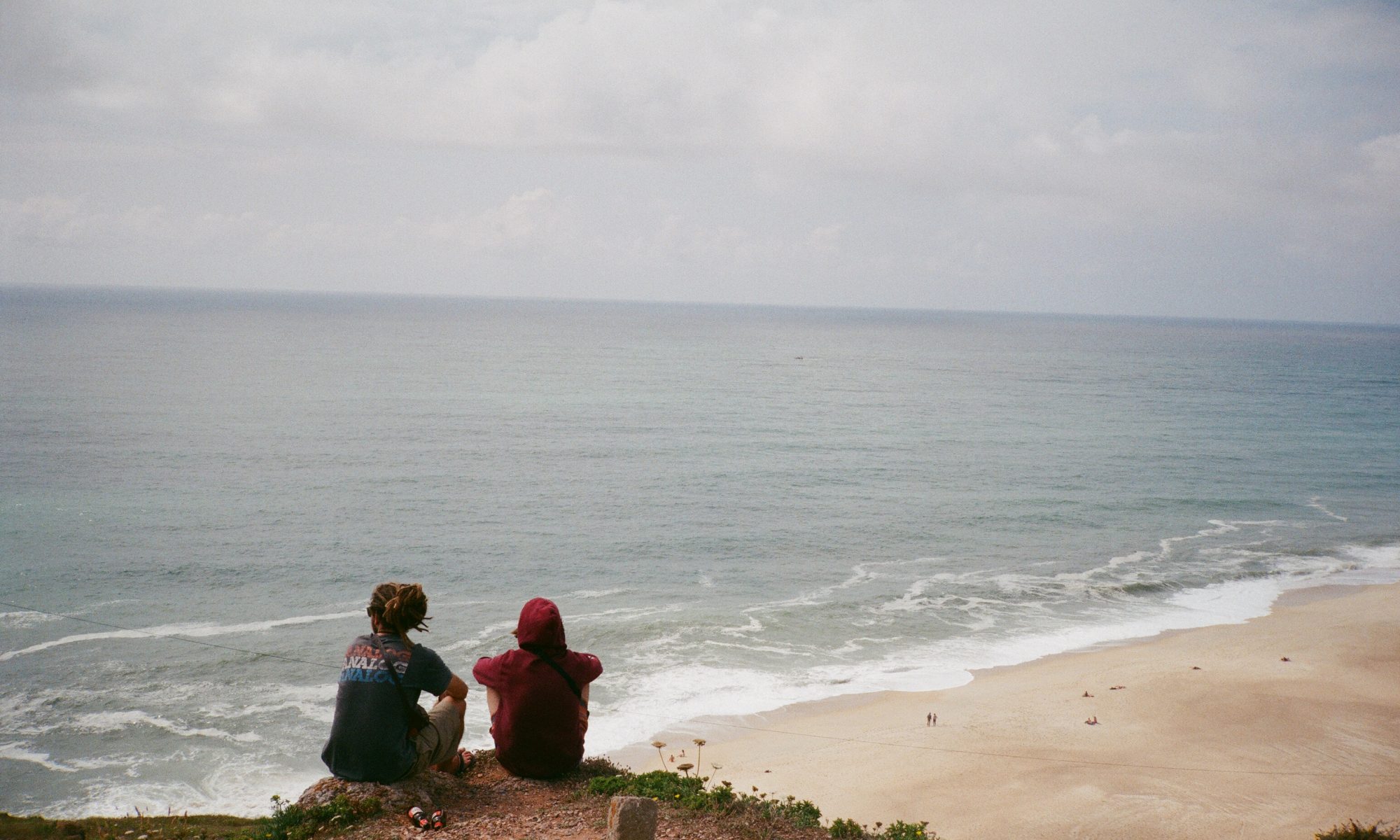
I spent the past few days alone in Kyoto.
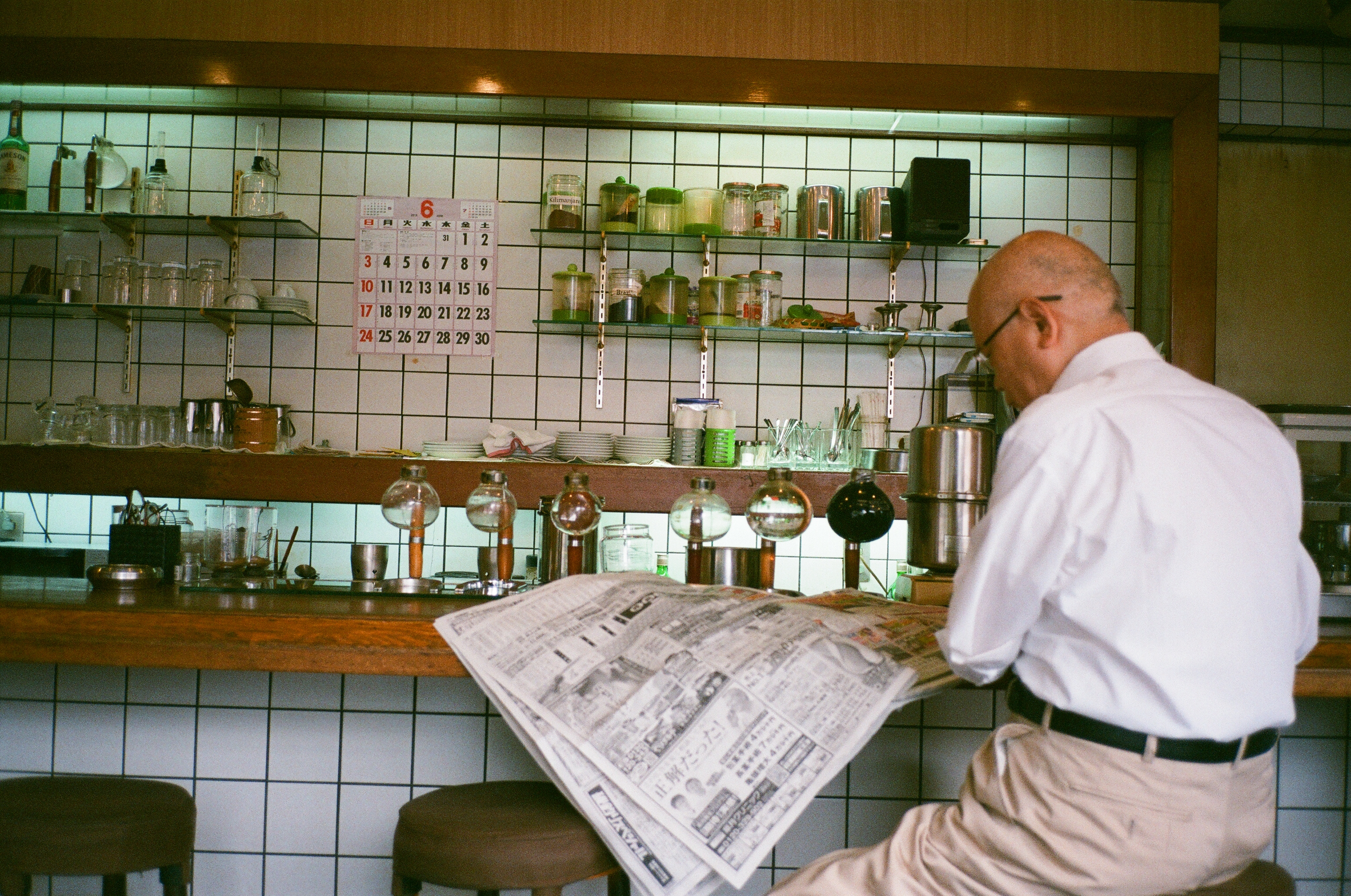
On my second night, when I was pretty tired after a frustrating event (my bicycle was taken away for improper parking) and some revenge shopping, I searched on Google Maps for an Izakaya for some decent simple food and sake, and landed at this super tiny place in a side alley in Ponto-cho which is very easy to miss even with constant Google Maps direction guidance.
It’s a typical little Japanese Izakaya run by solely one man, who’s also the owner. When I entered, there were two groups of guests sitting by the bar. The master (restaurant owner) greeted me cheerfully with his limited English and put me between the two groups of guests, one middle age woman on my left side and two young women on my right. The master asked me where am I from, I said Hong Kong. And he told everyone else in the restaurant in Japanese that I’m from Hong Kong, and encouraged them to speak English to me.
He asked me what would I like to drink, I said Sake. He recommended one kind to me, said it’s from Kyoto. I happily accepted. He asked me what would I like to eat, I said anything, small portion, more variety. Since there’s no English menu, he said “ok, I’m gonna prepare some thing for you.” When a man’s life is all about making Japanese food, I simply have no reason to not trust him.
The girl sitting next on my right started to chat with me, her English is not perfect, but enough to make a real conversation and she seemed eager to speak English, which is pretty rare and I appreciated it a lot. She offered me to try their food, their sake, and asked me many questions about myself, Hong Kong, and Hong Kong airport, which is apparently a famous international topic now.
Through chatting over sake, I learned that her name is Akiko, she’s my age, has a 9-month-old son and is taking a year off work being a full-time new mum. She asked me how do you call it in English, I said probably “maternity gap year”. She was having a rare day off that evening and that’s why she was drinking with her friend and met me. “It’d only happen in three month, how do you say it in English?” I said “once every three months”. She seemed glad to have learned some new expressions.
Sometimes the master would try to join in the conversion as he was making food behind the counter. When he didn’t know how to say one word in English, he stopped things on his hand and said “wait, I have a dictionary.” And he would open the cupboard behind him and take out a real paper dictionary to check. Together with that dictionary there were also some other simple language books for Spanish, Chinese, French, etc. He pointed at them proudly, “this is my library.”
The master, Yoshi-san, in his early fifties, came to Kyoto 33 years ago from near Tokyo for university and stayed here ever since. He studied Psychology but has only been working as a chef after he graduated. For the first few years working in a restaurant, he did nothing but sharpening the knife. He didn’t even have a chance to use a knife. Now, he has had his little restaurant for 17 years, working all by himself.
Everyday he’d wake up at 8am and go to the market to buy fresh material, and come to the restaurant to make some preparations. And then he’d go back home to sleep for a few hours, and come back to open the restaurant at around 5pm, and close after midnight. Do you ever take holidays? I asked. He said, sometimes I take holiday, the first day I rest, the second day I start to think about my restaurant, the third day I just came back to open the restaurant. I love working. “For many other people, their work is decided for them. For me, I decide it myself.”
Akiko left with her friend at some point and I was a bit disappointed. After 20 mins or so, she came back by herself. “I don’t need to go home until 11pm, I wanna fully use my day off.” She bought a pack of cigarette and started to smoke, with more sake ordered. Akiko asked me if I’m married and I told her no, and I don’t know if I will be. She immediately said “I think you’re right.” She told me she really enjoyed being a mother but was not sure about her husband. Sensed her dissatisfaction of her marriage, I didn’t ask more questions. Who am I to be talking about marriage anyways.
Everyone in the restaurant seemed like regulars here. I asked Akiko if she has been coming to this restaurant for a long time. She said she’s been coming here since she was 16, with her ex-boyfriend. She used to work part-time here even. I was very surprised at that. I can’t think of any place I’ve been still going since I was 16, in any city I’ve lived in. “You must really love it here,” I said. “Becoz of him, he is really nice, to me.” I can imagine that, as a first-timer, I can already feel what a warm person Yoshi-san is.
Before long Akiko had to go home for real, she told me if next time I’m in Kyoto, I can stay at her house if I want to. “Only if you want to, coz you know, I live with my son and husband. But I have a spare room for you.” As she was paying, Yoshi-san made her a small plate of blueberries. “To clear the mouth,” he said. “She will be back to a mother and wife now.” He said to me, smiling at her.
At the other end of the bar table sat one guy and one girl, both relatively young. “They are on their first date,” Yoshi-san told me. I looked at them, they look happy and comfortable together, as if they’ve known each other for a long time. I tried to confirm: “It’s your first date, and you end up here?” They laughed and said yes. After a while and a little more communication, I learned that this is where they met, they are both regulars at this little Izakaya. Yoshi-san helped set up this first date after the guy told him he thought the girl was cute.
Before I realized, I had been sitting at that little izakaya for four hours, a place so tiny and hidden that almost no tourist would bump into unless they were specifically looking for it. On my walk back to my guesthouse, I was absolutely tipsy and genuinely happy. The whole evening felt like I just stumbled into a Japanese movie scene, warm, casual, simple, and earnest. Instead it’s real life. It’s real to people in that scene. And even to me, it was real, as temporary as it might be.
Many people have heard me talk many things about Kyoto. This was my 5th time in Kyoto. I’ve been going back every year ever since I visited there for the first time 4 years ago. I’ve been there alone, I’ve been there with a friend, and I’ve been there with a boyfriend. I’ve been there so many times that sometimes my memories got mixed up when I visited a place I’d been before: did I come here myself, or with that friend? or what that boyfriend? Sometimes I could figure out if I think hard, sometimes it’d just have to stay blurred. Sometimes when I looked at those repetitive scenes, even I myself can’t believe that I’ve been there so many times. And even I can’t help asking myself: with all the places in the world, why do I come here over and over again?
Other than the most obvious reasons, the ubiquitous elegance in the city, the sense of history, the secluded temples and the inner peace shortly found there, I guess, the kind of evening randomly spent at Yoshi-san’s little izakaya probably attributes the most to my obsession with Kyoto.
Since the first time I was in Kyoto, I’ve been lucky enough to have met some decent and genuine people living there, each of them with a simple and humble life. A divorced single airbnb hostess Keiko who’s passionate about making clothes and told me buddhism is her backbone. A bartender Takeshi-san who’s been running his one-man-band bar for more than 20 years and insist on only making unpretentious drinks. An Izakaya owner Yoshi-san who’s been devoting all his life to making Japanese cuisine and running his humble restaurant for 17 years, a home-like place to his regular customers. Every time I have a conversation with people living in Kyoto, I feel their earnestness towards life. Their life can be really simple, so simple that you’d almost have doubts: is this really it? Yet looking at how calm they are about their simple life, it’d make you reflect: isn’t this what life should be? On all these people, I don’t see discontent, I don’t see anxiety, I don’t see aimless desires or idleness. I see most people in Kyoto living their simplest lives in the most genuine way. The Kyoto people generates this energy that it always reassures me of what life really is, and reminds me to return to the basics of all.
I guess this is why I kept going back, and I will keep going back, to the adopted hometown of my heart.


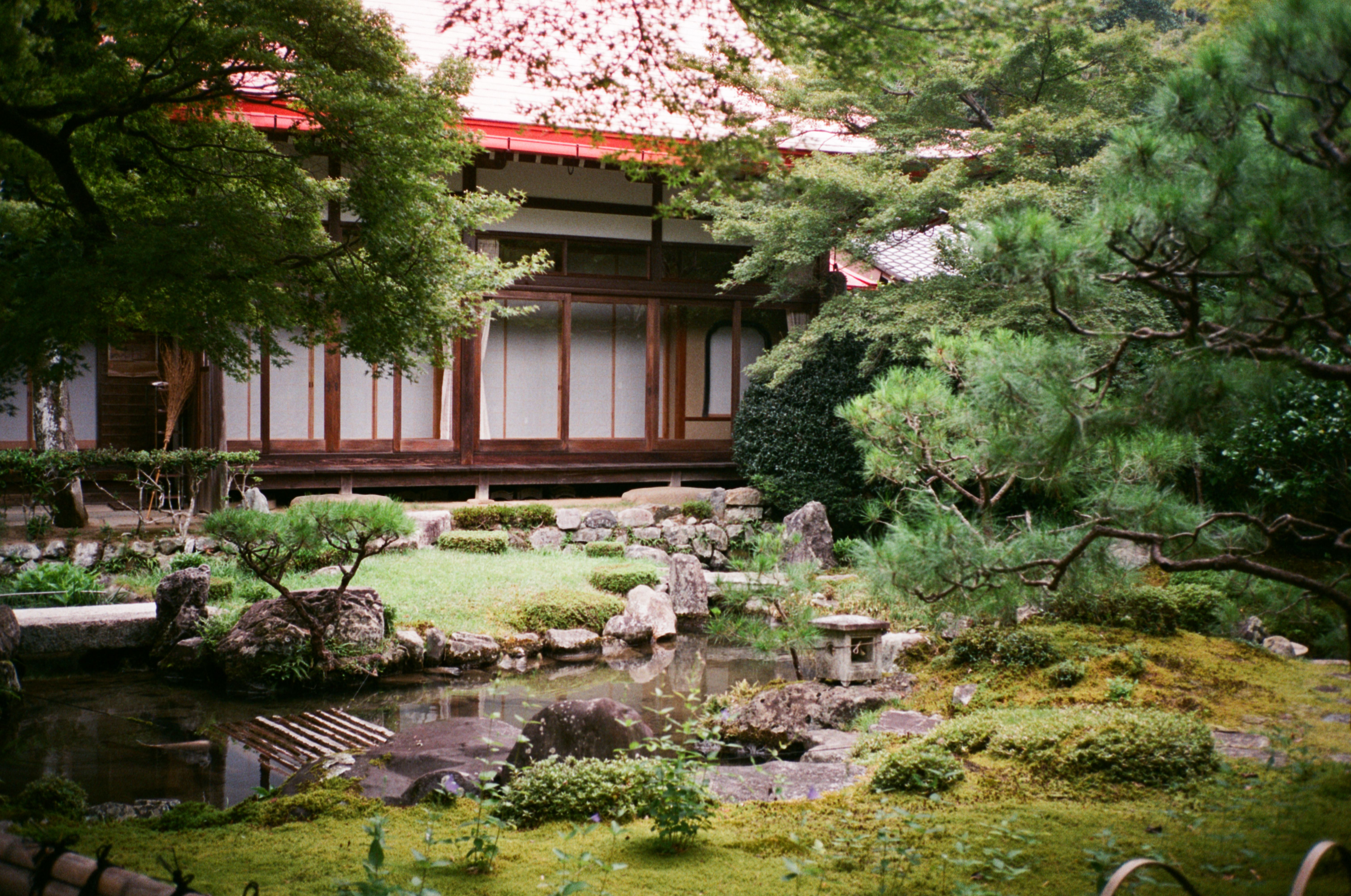


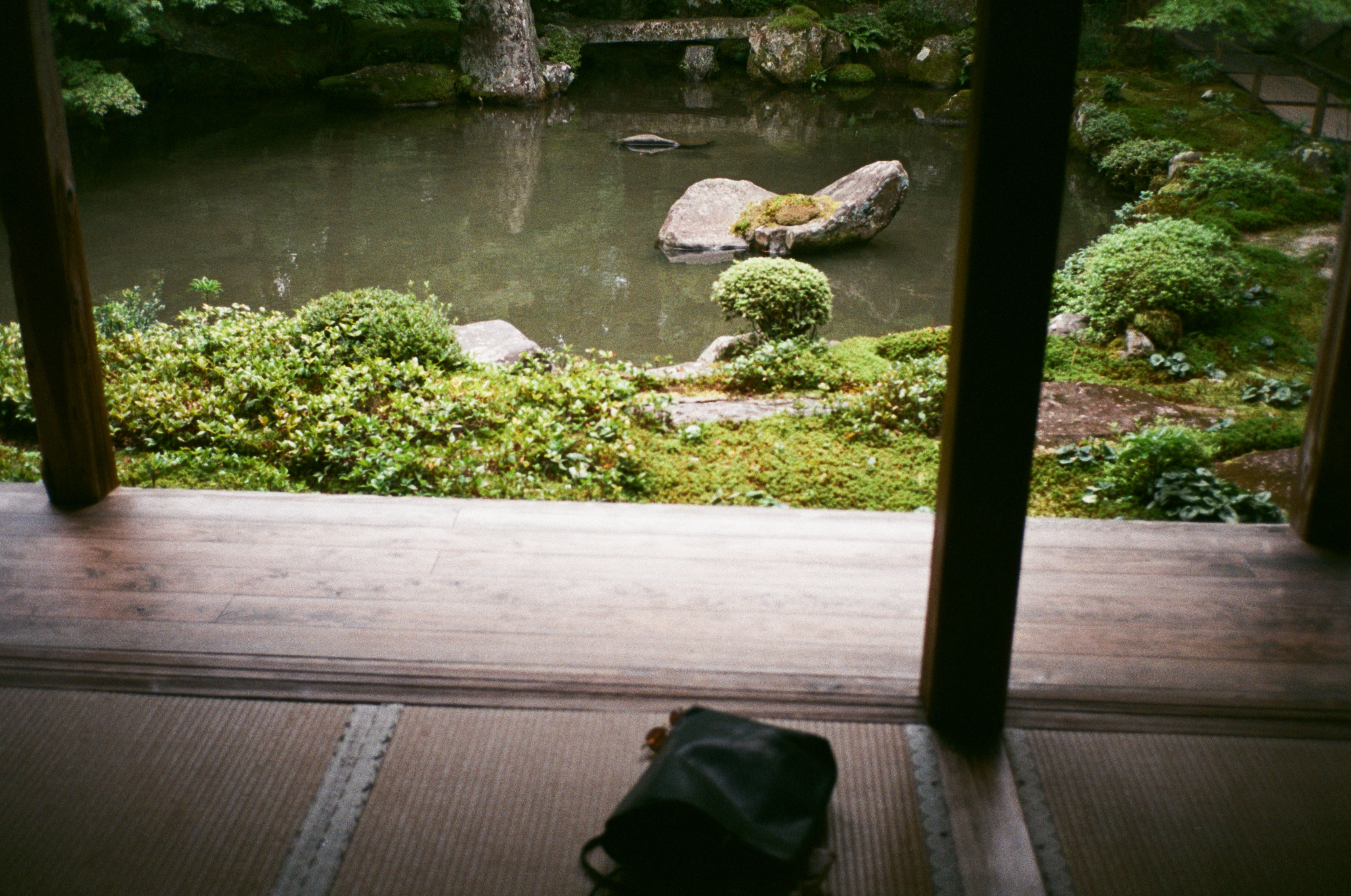
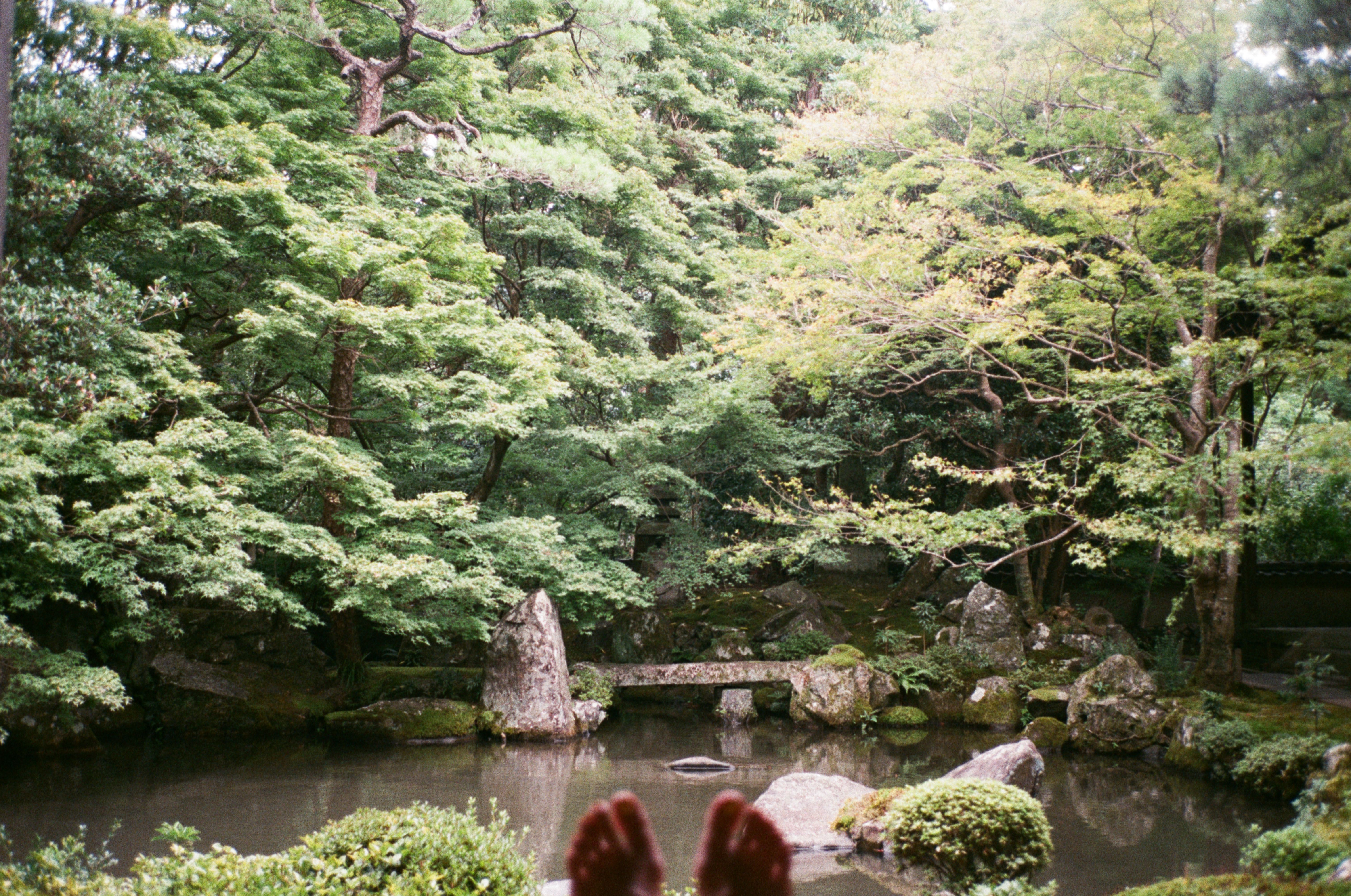

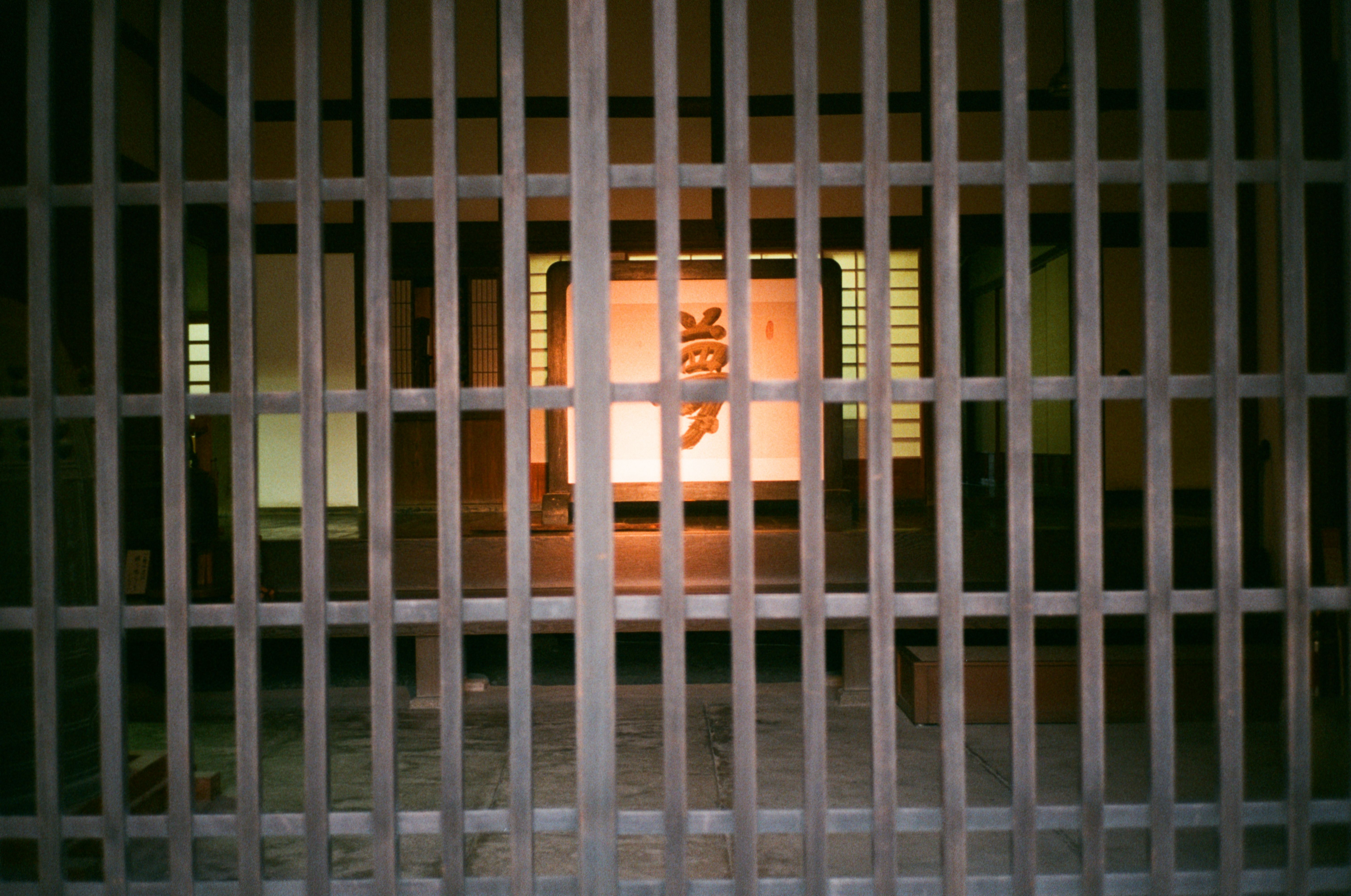

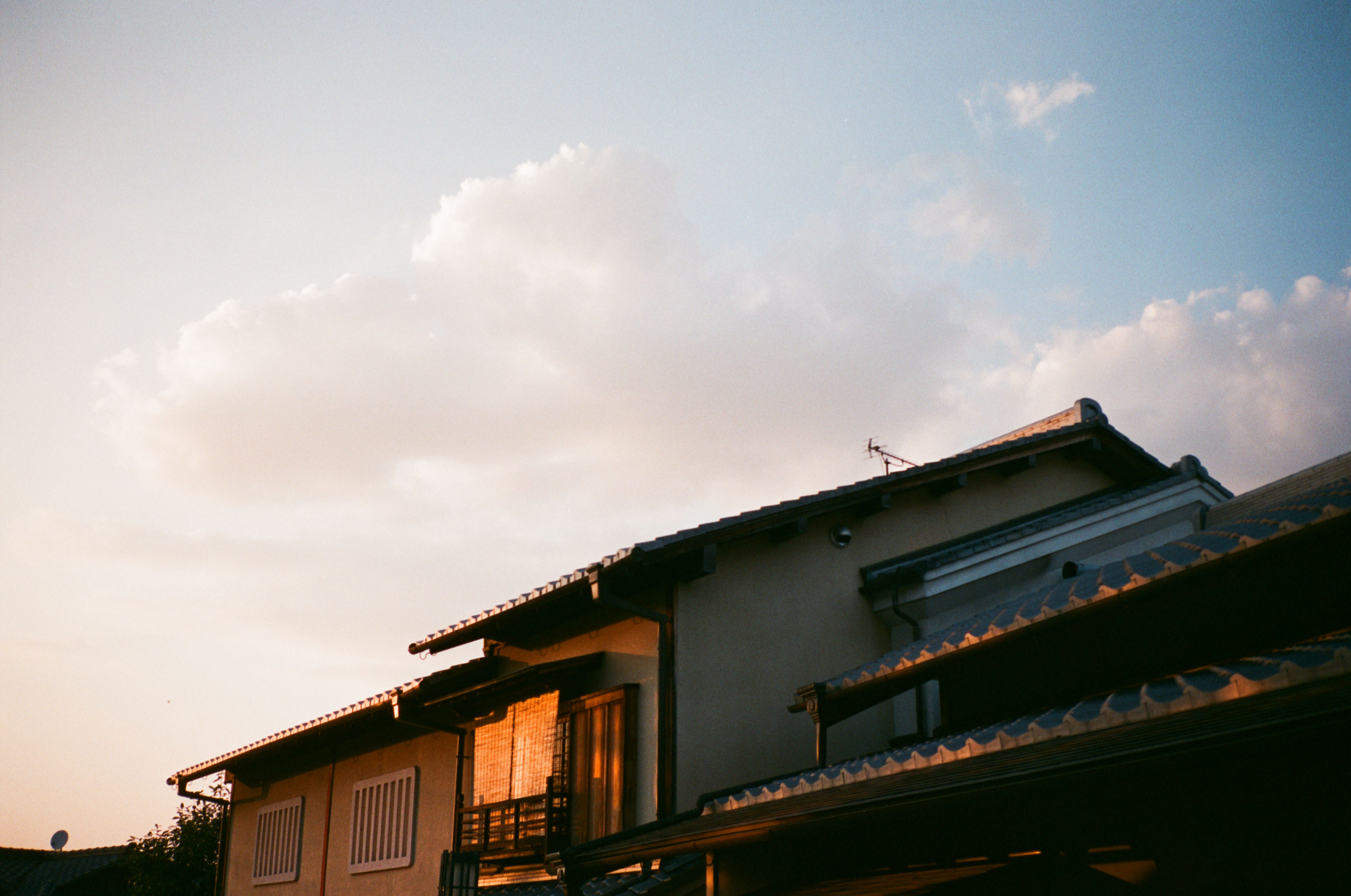

P.S. Attaching the casual notes I wrote on my first night in Kyoto this time.
2019 Aug 17
今天再次来到京都,这个我四年前来过第一次后便不断回来的地方。几乎认识我的每一个人都知道,我对京都情有独钟。我常开玩笑说,京都就是我的领养的故乡,尽管我连一句完整的日文都说不利索。然而这次回来,老实说,心情是惴惴不安的。因为去年的京都行是带着前男友C一起来的,以至于在这次行程之前,当时的回忆开始陆续浮出来,我们去过哪里,做过哪些事,那些以为被扫在记忆底层不轻易触碰的东西,随着京都之行的一天天临近,竟然自动开了闸,在脑袋里上蹿下跳。 出发前我已跟Therapist说,我真担心京都就这样被和他一起来过的记忆给毁了。我怕自己会陷入回忆的片段,被伤感的心情吞噬。所以这次来之前,内心的忧虑很大,我最深的害怕是,京都还会是那个带给我无限慰藉的存在吗?
事实上,第五次来到京都,我对这个地方已经有太多层次的回忆。以至于走在某个似曾相识的地方,我甚至会恍惚,这是我自己一个人来过的,还是跟某个友人一起来过的,还是跟C一起来过?有的时候仔细回想倒是还分得清,有的时候则是完全一团浆糊,有时看着重复的景象,自己也不敢相信,世界万般之大,我居然真的就这样一次次鬼使神差地来到京都这个地方,简单的“喜欢”似乎已不足以解释这一行为,内心也不禁纳闷起来,是啊,为什么呢?
今天下午出门后,照例先觅食,然后在地图上随机选了个听上去不会有人的寺。清闲寺寺如其名,清闲得一沓糊涂,以至于连个收门票的人都没有,门口直接挂着块木板,标注入场费100元,请自行投入木箱里。寺院很小,走一圈后,也没见到一个人影,所有的互动都是和门口那样的“木牌”上的文字完成的。5分钟后我跟自己确认,这个寺唯一有意思的便是它的名字了。
好在清闲寺离清水寺不远,走路十分钟便可达到。我对清水寺丝毫谈不上喜欢(我对任何人山人海的地方都只感觉到头疼),4年前第一次来京都时,在第一天当作完成任务般地去踩了个场。然而今天已到这里,我想,4年过去了,不如就不计前嫌,再访一次吧。一走到清水寺,果然4年前的回忆也一下子开了闸,走到一个地方刚举起相机,便突然想起自己曾经站在同一个地方照过同一个取景的相片。随这些回忆喷薄而出不仅仅是4年前的清水寺,更是4年前的自己。
四年前,我处于一个非常特殊混沌的时期,那一年的日本之行,更像是在一团令人窒息的黑暗中想要喘一口气。我记得前一天在大阪还毫无头绪,觉得又累又不知道自己在干嘛,而在到达京都的那个早上,好像突然就跟自己和解了。坐在一栋传统日本房子门口等着airbnb房东太太的时候,我感到一种“从未有过的”平静。
当年游览清水寺时,也是毫无一个观光客该有的真诚,从头到尾都是抱着“好吧,就算来过了”的心态。清水寺主寺对面有一块小坡,主打求良缘运,到处都是“恋爱成就”的字眼。记得当时便觉得又尴尬又可笑,似乎又在“既然来都来了”的心态作祟下,不情不愿似有若无地许了个愿。4年后再走到那里,还是同样的尴尬感,转了一圈,也没好意思装模作样地许个愿。如大多数人一样,我当然仍然抱有对美好亲密关系的向往,但要将其当作一桩“成就”来祈愿,总觉得哪里不大对劲。仔细想想,从某一年开始,我早已不再愿意配合许愿的“虚伪”,开始对所有神明许同一个愿,便是“内心的平静”。我想,很多东西是追求不来的,但内心的平静,是追求得来的,也算给神明们一个轻松点的差事吧。事实证明,当年许的“恋爱愿”至今并没有实现。而内心的平静,托各位神明的福,相比4年前,大概还是多了不少的。
四年前,我更把自己的孤独当回事。而现在,孤独已经是如果不去努力去记起,都想不起来的一件事儿了。
 A clean, well-lighted place.